

- Data Science and Predictive Analytics for Advancing Cancer Diagnosis, Prognosis, and Treatment
- Investigating Cellular and Organ Structure, Composition, and Function through Data Science and Predictive Analytics
- Predictive Analytics to Improve Operational Performance of Healthcare Delivery Systems
Data Science and Predictive Analytics for Advancing Cancer Diagnosis, Prognosis, and Treatment
Our goal in this research stream is to enhance cancer diagnosis, prognosis, and treatment planning using an innovative framework based on data science and analytics. We focus on analyzing molecular and genetic data to identify specific cancer subtypes, biomarkers for diagnosis and prognosis, and potential drug repurposing. This involves in-depth investigations into the molecular mechanisms and genetic variations associated with cancer, using diverse datasets including genomic, demographic, and clinical data. Our current efforts are concentrated on three areas: disease subtyping, biomarker discovery, and drug repositioning.
Cancer Subtype Discovery: Our research aims to categorize tumors or cancers into distinct subgroups based on their molecular, genetic, or phenotypic characteristics. This process, known as subtyping, allows us to stratify patients into different cohorts based on factors such as treatment resistance or disease aggressiveness. By identifying specific subtypes of the disease, we can develop personalized and targeted treatment approaches. Previous attempts to achieve this through the integration of multiple high-throughput data types have had limited success due to the heterogeneous nature and multifactorial etiology of cancer. To bridge this gap, we have developed a novel machine learning methodology that integrates diverse genomic data from multiple cohort studies. Our technology effectively discovers clinically relevant disease subtypes, such as aggressiveness, by combining information from various studies with different cohorts and data types. The outcomes of this project have significant implications. They can optimize treatment strategies by distinguishing patients with aggressive disease from those with less aggressive disease. Additionally, they can enhance the success of clinical trials by identifying respondents and non-respondents. This research is funded by NSF CRII.

Cross-Cancer Learning Driven Biomarker Discovery: Discovering predictive biomarkers for lethal cancers is crucial for guiding clinical decisions. However, previous efforts in molecular biomarker discovery have faced challenges due to limited understanding of cancer mechanisms, overlooking genetic variations in non-coding regions, and issues with study design and reproducibility. In this research stream, we leveraged the concept of cross-cancer disease learning to identify novel biomarkers associated with aggressive forms of prostate cancer. By applying insights from DNA repair pathways in breast and ovarian cancers, which share similarities with prostate cancer, we developed an advanced deep-learning technology with explainable AI features. This innovative approach outperforms traditional biomarkers by accurately distinguishing tissue types and disease states. Our cross-cancer disease learning not only enhances biomarker efficacy but also enriches the study population. By identifying shared characteristics across diseases, we bridge the gap between prostate cancer biomarker discovery and clinical translation. This research is funded by the DoD's Prostate Cancer Research Program (PCRP).

Drug Repositioning by Concurrent Biomarker Discovery and Pathway Analysis: Drug repositioning is an attractive alternative to the time-consuming and costly traditional drug development process. By leveraging approved drugs and their associated clinical data, this approach taps into existing knowledge. While previous methods focused on genomic data and molecular signatures, biomarkers offer a more precise and personalized approach. They enable targeted medicine and aid in selecting patients who would benefit most from repurposed drugs, thereby streamlining the process. In our research, we creatively integrate pathway analysis and biomarker discovery through cross-cancer learning. This approach identifies jointly significant biomarkers across biologically similar diseases, as well as distinctively significant biomarkers for drug repositioning. By uncovering such biomarkers, we can develop novel cross-cancer treatments targeting patients who respond poorly to organ-specific therapies. Our findings have successfully identified repurposed drugs for prostate and breast cancers, including those currently in clinical trials, alongside novel candidates. This research is supported by DoD PCRP.

Investigating Cellular and Organ Structure, Composition, and Function through Data Science and Predictive Analytics
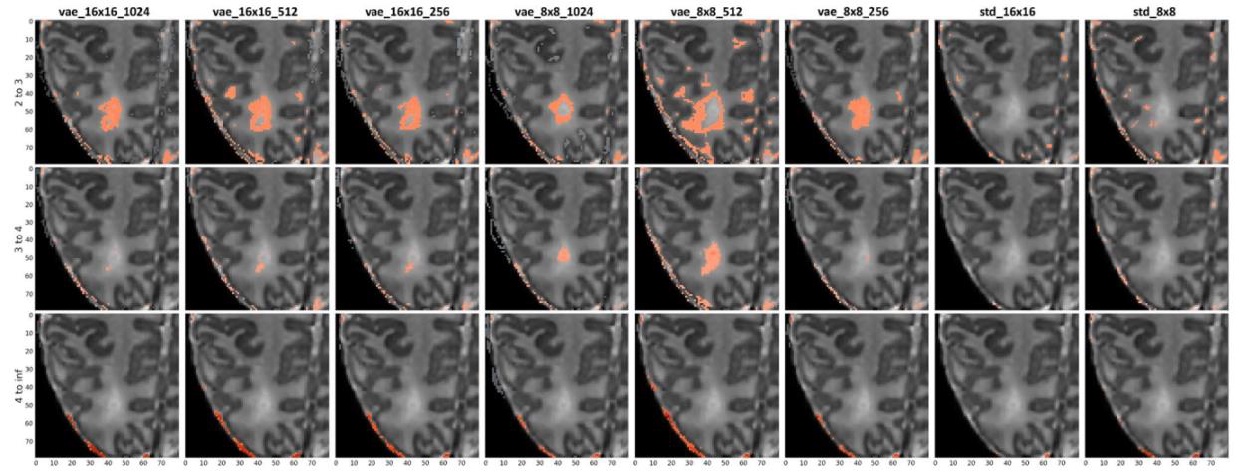
Advancing Neonatal Brain Analysis: Unsupervised Machine Learning for Improved Prognosis and Biomarker Identification: This research stream focuses on improving the analysis of neonatal brain MRI and EEG scans using unsupervised machine learning algorithms. The objective is to identify biomarkers and improve prognostication for conditions like neonatal encephalopathy (NE) that can have long-term physical consequences. Our lab has developed deep machine learning architectures that can detect subtle morphological signatures in brain structures. Our framework enhances prognostication and identifies anomalies that may be missed during radiological reading, validated by a neuroradiologist. Working with a multidisciplinary research team, our long-term goal is to utilize numerical data to develop specific biomarkers that can facilitate early detection of brain abnormalities, leading to improved treatment options, outcomes, and reduced mortality.
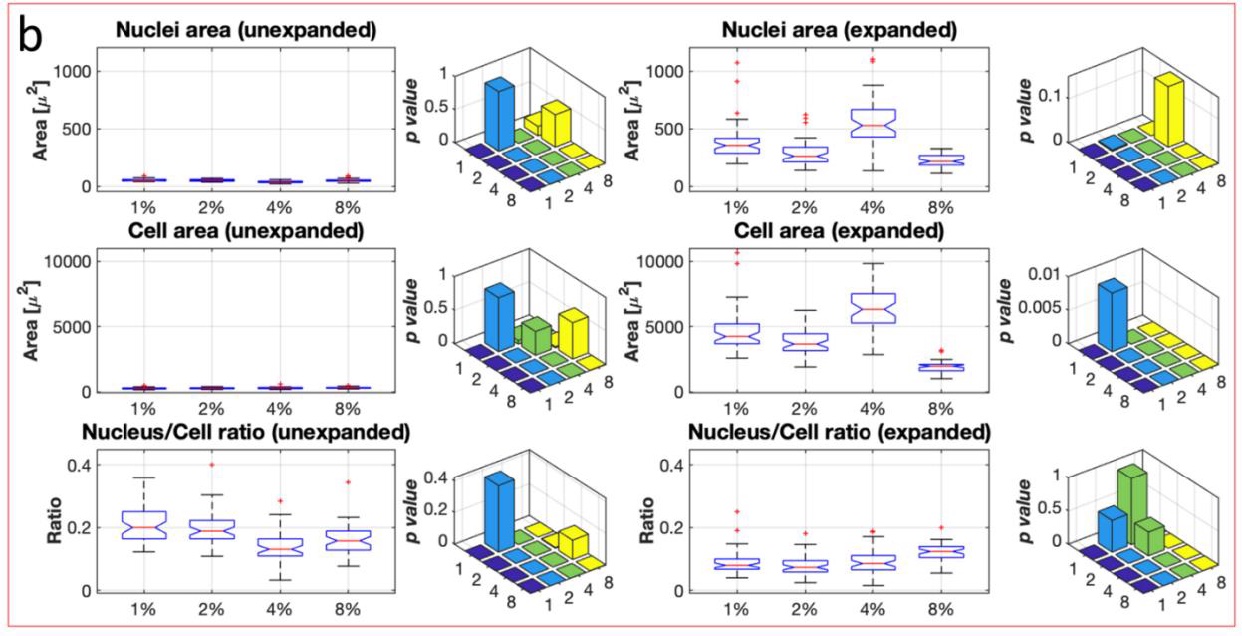
Unveiling the Complexity of Skeletal Muscle Cells: Differential Expansion Microscopy and Machine Learning Approaches: Our research aims to understand the intricate properties of skeletal muscle cells, which play a vital role in locomotion and metabolism. To achieve early disease diagnosis and effective treatment, we focus on creating a 'Human Skeletal Muscle Cell Atlas' that comprehensively captures the growth, development, structure, function, and chemistry of skeletal muscle cells in different conditions. Our multidisciplinary team utilizes machine learning models and Differential Expansion Microscopy data to investigate cellular changes in human skeletal muscle cells. By studying these changes during developmental stages and varying levels of physical activity, we aim to uncover the underlying mechanisms governing skeletal muscle dynamics and associated diseases. Our machine learning architectures have shown exceptional performance in semantic segmentation of microscopy images, traditionally considered challenging. This novel approach holds promise for precise, rapid, and cost-effective disease diagnosis from pathological specimen slides at the nanometer scale.
Predictive Analytics to Improve Operational Performance of Healthcare Delivery Systems
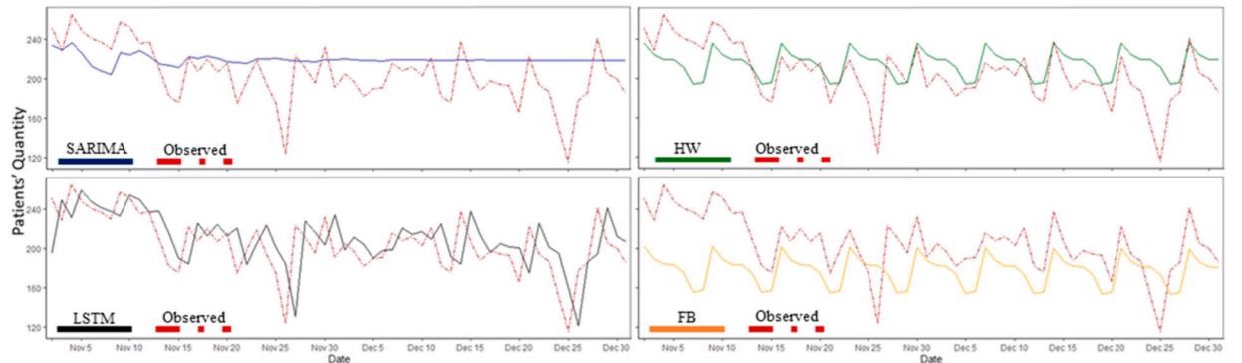
Enhancing operational performance of emergency departments and surgical services through predictive analytics and data science: In this research stream, we addressed the challenges faced by healthcare systems during medical surge events like the COVID-19 pandemic. To optimize operational efficiency, we collaborated with emergency medicine practitioners and healthcare system engineers to develop data science and predictive models. These models identified performance indicators and predicted service demands during medical surge events, with COVID-19 as a case study. By integrating these models, we provided valuable support to hospital administrators in planning and scaling up their capacities to effectively address both current and future pandemics. Additionally, we developed machine learning models that fused different data modalities to enhance the prediction of resource demand for surgical procedures using real-time information until the day of surgery.
Acute coronary syndrome prediction in emergency care: In emergency medicine, accurately assessing the potential for presented conditions is crucial, as underestimation can lead to life-threatening situations, while overestimation results in inefficient resource utilization, increased costs, and potential for medical errors. In this research stream, we focused on addressing the clinical concern of acute coronary syndrome (ACS), a common and serious condition encountered in emergency medicine. We developed a cost-sensitive ensemble-learning framework that utilizes clinical data alone to effectively diagnose and differentiate between different root causes of ACS. Our approach reduces misdiagnosis and improves patient outcomes.
