

Publications
Highlights
The rapid advancement of high-throughput technologies in the biomedical field has resulted in the accumulation of diverse omics data types, such as mRNA expression, DNA methylation, and microRNA expression, for studying various diseases. Integrating these multi-omics datasets enables a comprehensive understanding of the molecular basis of cancer and facilitates accurate prediction of disease progression.
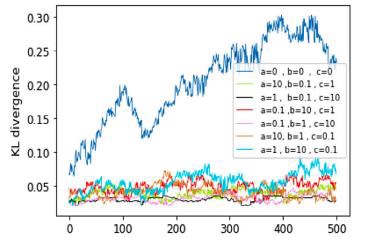
The diagnostic and treatment strategies of cancer remain generally suboptimal resulting in over-diagnosis or under-treatment. Though many attempts on optimizing treatment decisions have been undertaken, these efforts yielded only modest success so far due to the heterogeneity of cancer with multifactorial etiology. Here, we propose a deep-learning based data integration model capable of predicting disease progression by integrating collective information available through multiple studies with different cohorts and heterogeneous data types.
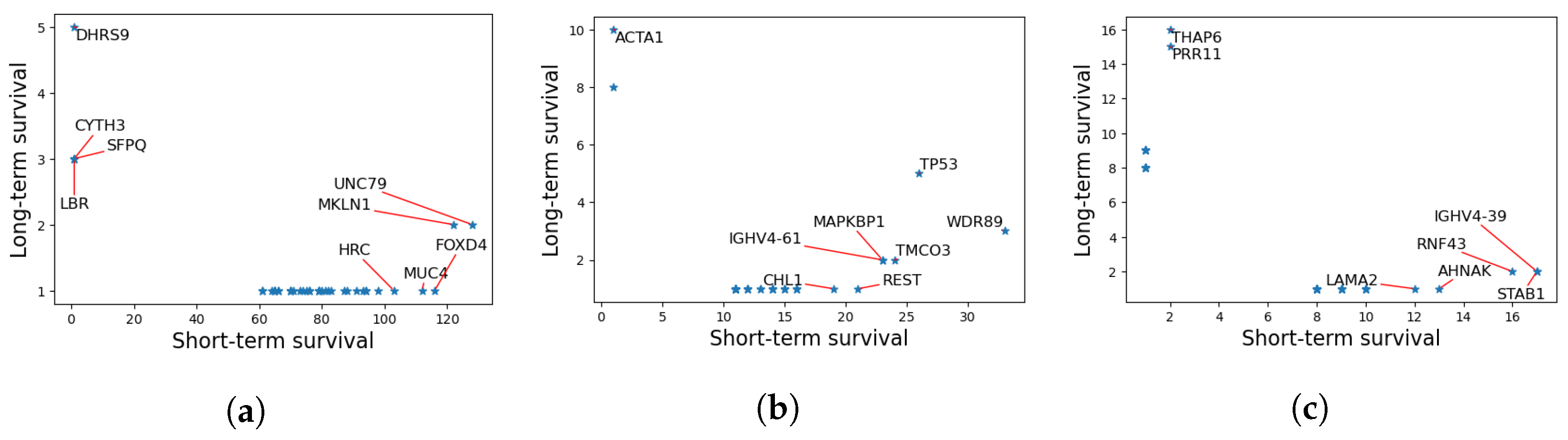
Prostate cancer (PCa), the second leading cause of cancer death in American men, is a relatively slow-growing malignancy with multiple early treatment options. Yet, a significant number of low-risk PCa patients are over-diagnosed and over-treated with significant and long-term quality of life effects. Hence, the critical need is to discover clinically-relevant and actionable PCa biomarkers by better understanding the biology of PCa. In this paper, we have discovered novel biomarkers of PCa tumors through cross-cancer learning by leveraging the pathological and molecular similarities in the DNA repair pathways of ovarian, prostate, and breast cancer tumors
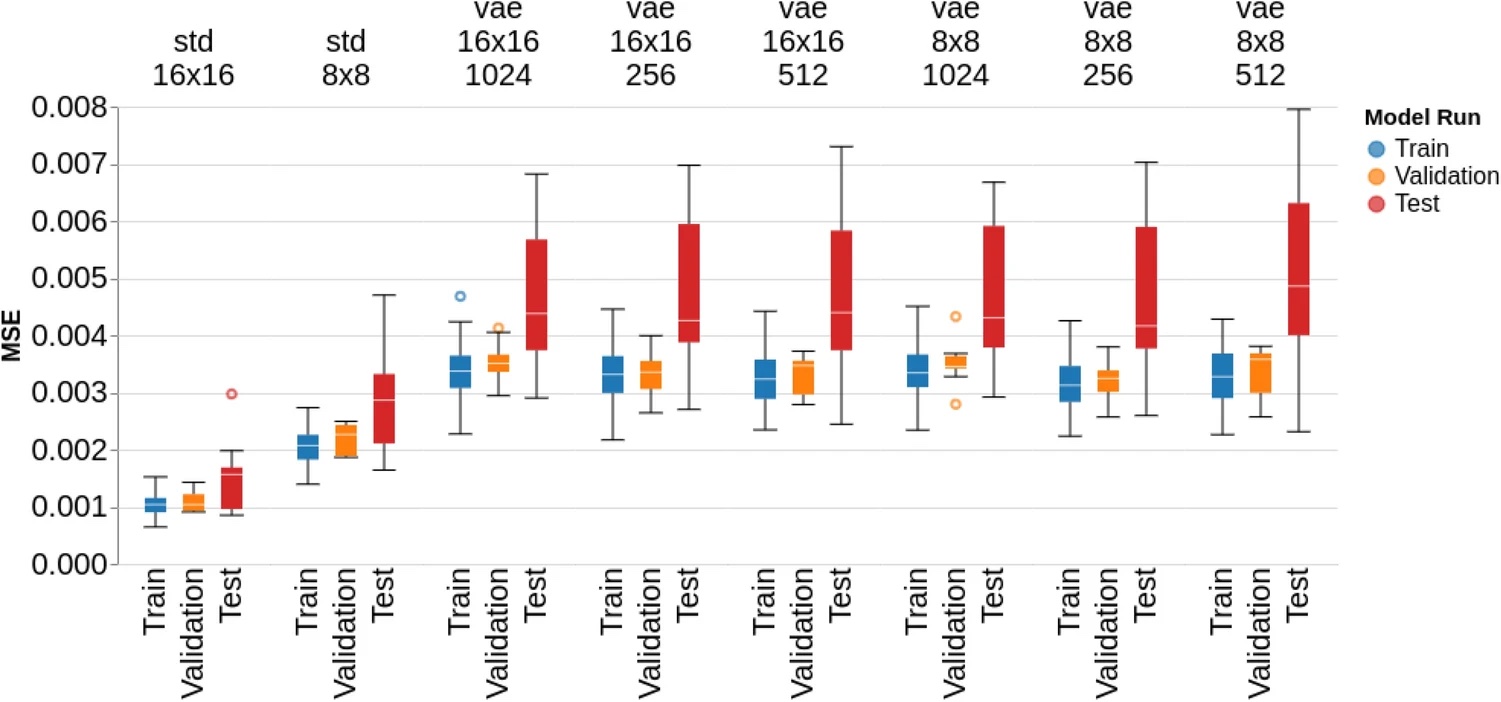
A myriad of conditions can manifest at an early age, including neonatal encephalopathy (NE), which can result in lifelong physical consequences. As such, there is a dire need for better biomarkers of NE and other conditions. The objective of the study is to improve identification of anomalies and prognostication of neonatal MRI brain scans. We introduce a framework designed to support the analysis and assessment of neonatal MRI brain scans, the results of which can be used as an aid to neuroradiologists.
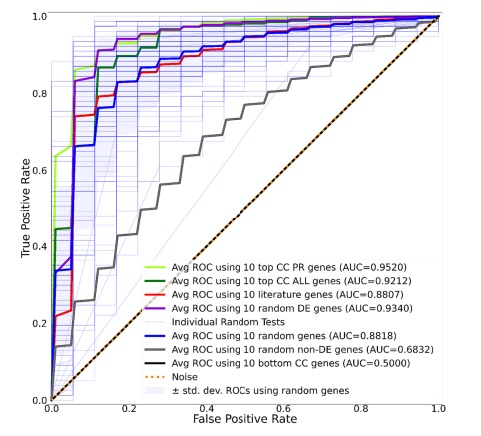
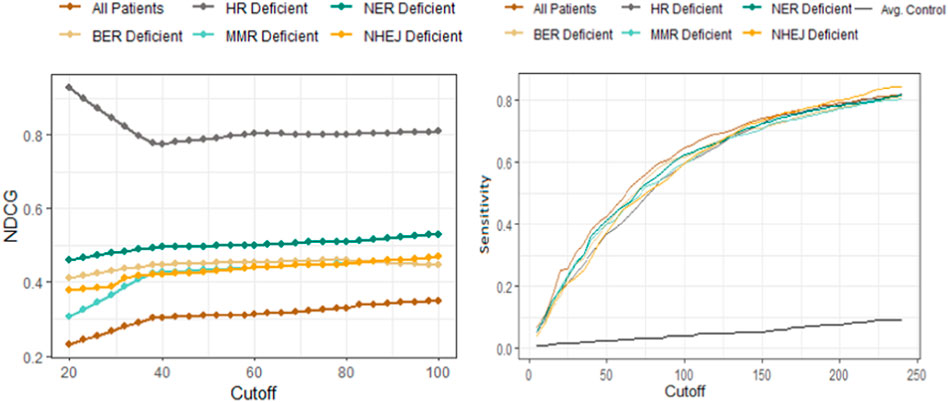
Similar molecular and genetic aberrations among diseases can lead to the discovery of jointly important treatment options across biologically similar diseases. Oncologists have closely looked at several hormone dependent cancers and identified remarkable pathological and molecular similarities in their DNA repair pathway abnormalities. Here, through a biomarker-driven drug repurposing model, we have identified several potential drug candidates for breast and prostate cancer patients with DNA-repair deficiencies based on common specific biomarkers and irrespective of the organ the tumors have originated from.
Full list of publications
J1. J.D. Raad*, R. B. Chinnam, S. Arslanturk, S. Tan, J.-W. Jeong, S. Mody, Unsupervised Abnormality Detection in Neonatal MRI Brain Scans Using Deep Learning, Scientific Reports, 2023, 13(1):11489. 10.1038/s41598-023-38430-0, (JCR IF=4.997, JCR Quartile=Q1, SJR Quartile=Q1)
J2. S. Ranjbari*, S. Arslanturk, Integration of Incomplete Multi-Omics Data using Knowledge Distillation and Supervised Variational Autoencoders for Disease Progression Prediction, Journal of Biomedical Informatics, 2023, 147:104512. 10.1016/j.jbi.2023.104512, (JCR IF=4.500, JCR Quartile=Q1, SJR Quartile=Q1)
J3. J. Emakhu*, E.E. Etu*, L. Monplaisir, C. Aguwa, S. Arslanturk, S. Masoud, I. T. Tenebe, H. Nassereddine, M. Hamam, J. Miller, A hybrid machine learning and natural language processing model for early detection of acute coronary syndrome, Healthcare Analytics, 2023, 4:100249. 10.1016/j.health.2023.100249.
J4. S.A. Munj*, T.A. Taz*, S. Arslanturk, E.I. Heath, Biomarker-driven drug repurposing on biologically similar cancers with DNA-repair deficiencies. Frontiers in Genetics, 2022, 13:1015531. 10.3389/fgene.2022.1015531, (JCR IF=4.772, JCR Quartile=Q1, SJR Quartile=Q1)
J5. J. Emakhu*, L. Monplaisir, C. Aguwa, S. Arslanturk, S. Masoud, H. Nassereddine, M. S. Hamam, J. B. Miller, Acute coronary syndrome prediction in emergency care: A machine learning approach, Computer Methods and Programs in Biomedicine, 2022, 10.1016/j.cmpb.2022.107080, (JCR IF=7.027, JCR Quartile=Q1, SJR Quartile=Q1).
J6. E. E. Etu*, L. Monplaisir, C. Aguwa, S. Arslanturk, S. Masoud, I. Markevych, J. Miller, Identifying Indicators Influencing Emergency Department Performance during a Medical Surge: A Consensus-Based Modified Fuzzy Delphi Approach, PLOS ONE 2022, 10.1371/journal.pone.0265101, (JCR IF=3.752, JCR Quartile=Q1, SJR Quartile=Q1)
J7. K. Zhou*1, B.S. Kottoori*, S.A. Munj*, Z. Zhang, S. Draghici, S. Arslanturk, Integration of Multimodal Data from Disparate Sources for Identifying Disease Subtypes. Biology 2022, 11, 360. 10.3390/biology11030360, (JCR IF=5.168 & JCR Quartile=Q1, SJR Quartile=Q1)
J8. E.-E Etu*, L. Monplaisir, S. Masoud, S. Arslanturk, J. Emakhu*, I. Tenebe, J.B. Miller, T. Hagerman, D. Jourdan, S. Krupp, A Comparison of Univariate and Multivariate Forecasting Models Predicting Emergency Department Patient Arrivals during the COVID-19 Pandemic. Healthcare 2022, 10.3390/healthcare10061120, (JCR IF=3.160, JCR Quartile=Q2, SJR Quartile=Q3)
J9. E.-E Etu*2, L. Monplaisir, S. Arslanturk, et al., Prediction of Length of Stay in the Emergency Department for COVID-19 Patients: A Machine Learning Approach, IEEE Access, vol. 10, pp. 42243-42251, 2022, https://doi.org/10.1109/ACCESS.2022.3168045. (JCR IF=3.476, JCR Quartile=Q2, SJR Quartile=Q1)
J10. T. Khaleghi*, A. Murat, S. Arslanturk, A tree-based approach for multi-class classification of surgical procedures using structured and unstructured data. BMC Medical Informatics and Decision Making 21, 328 (2021). 10.1186/s12911-021-01665-w,(JCR IF= 3.298, JCR Quartile=Q3, SJR Quartile=Q2)
J11. K. Zhou*, S. Arslanturk, D. Craig*, E. Heath, S. Draghici, Discovery of primary prostate cancer biomarkers using cross cancer learning, Scientific Reports Sci Rep 11, 10433 (2021). 10.1038/s41598-021-89789-x, (JCR IF=4.997, JCR Quartile=Q1, SJR Quartile=Q1)
J12. J.-W. Jeong, M.-H Lee, N. Fernandes, S. Deo, S. Mody, S. Arslanturk, R-B. Chinnam, S. Tan, Exploratory studies of diffusion-weighted imaging connectome and fixel-based analysis for predicting poor outcome for neonatal encephalopathy, Pediatric Research (2021), 10.1038/s41390-021-01550-2, (JCR IF=3.953, JCR Quartile=Q1, SJR Quartile=Q1)
J13. H. Abdallah*, B. Formosa*, A. Liyanaarachchi*, M. Saigh*, S. Silvers*, S. Arslanturk, D. J. Taatjes, L. Larsson, B. P Jena, D. L. Gatti, Res-CR-Net, a residual network with a novel architecture optimized for the semantic segmentation of microscopy images (2020) Machine Learning: Science and Technology, https://doi.org/10.1088/2632-2153/aba8e8, (JCR IF = 6.013, JCR Quartile=Q1, SJR Quartile=Q1)
J14. J. Press*, S. Arslanturk, “DSP: A Deep Learning Based Approach to Extend the Lifetime of Wireless Sensor Networks”, International Journal of Sensor Networks, (2020), https://doi.org/10.1504/IJSNET.2020.109718, (JCR IF = 1.264, JCR Quartile=Q3, SJR Quartile=Q3).
J15. S. P. Pernal*, A. Liyanaarachchi*, D. L. Gatti, B. Formosa*, R. Pulvender, E. R. Kuhn, R. Ramos, A.R. Naik, K. George, S. Arslanturk, D. J. Taatjes, B. P. Jena, Nanoscale imaging using differential expansion microscopy, Histochemistry and Cell Biology (2020) –153(6):469-480 Cover Story, Editor’s Choice, 10.1007/s00418-020-01869-7, (JCR IF = 3.617, JCR Quartile=Q2, SJR Quartile=Q1).
J16. T. Khaleghi*3, A. Murat, S. Arslanturk and E. Davies, Automated Surgical Term Clustering: A text mining approach for unstructured textual surgery descriptions, IEEE Journal of Biomedical and Health Informatics, (2019), 10.1109/JBHI.2019.2956973, (JCR IF= 7.021, JCR Quartile=Q1, SJR Quartile=Q1)
J17. B. P. Jena, D. L. Gatti, S. Arslanturk, S. Pernal*, D. J. Taatjes, Human Skeletal Muscle Cell Atlas. Unraveling Cellular Secrets Utilizing ‘Muscle-on-a-Chip’, Differential Expansion Microscopy, Mass Spectrometry, Nanothermometry and Machine Learning, the International Research and Review Journal for Microscopy, Micron 2019, 10.1016/j.micron.2018.11.002, (JCR IF= 2.381, JCR Quartile=Q2, SJR Quartile=Q2)
J18. S. Arslanturk, M.-R. Siadat, T. Ogunyemi, A. Diokno, “Effect of Genuine Missing Data Imputation on Prediction of Urinary Incontinence”, International Journal of Computer and Information Engineering Vol: 12, No: 7, 2018.
J19. S. Arslanturk, M.-R. Siadat, T. Ogunyemi. K. Killinger, A. Diokno, “Analysis of Incomplete and Inconsistent Clinical Survey Data”, Knowledge and Information Systems, March 2016, Volume 46, Issue 3, pp 731–750. (IF: 2.531)
J20. A. C. Diokno, T. Ogunyemi, M.-R. Siadat, S. Arslanturk, K.A. Killinger, Continence Index: A new screening questionnaire to predict the probability of future incontinence in older women in the community, International Urology and Nephrology, 2015 Jul; 47(7), pp. 1091-7. (IF: 1.280)
J21. S. Arslanturk, M.-R. Siadat, T. Ogunyemi, B. Givens, A.Diokno, “Stratification of Clinical Survey Data by Using Contingency Tables”, International Journal of Data Mining and Knowledge Management Process (IJDKP), July 2014, 4(4), pp. 1-15.
J22. G. Corser, S. Arslanturk, J. Oluoch, H. Fu, “Knowing the Enemy at the Gates: ‘Measuring Attacker Motivation”, International Journal of Interdisciplinary Telecommunications and Networking (IJITN), 2013. 5(2), pp. 1-13.
J23. T. O. Ogunyemi, M.-R. Siadat, S. Arslanturk, K. A. Killinger, A. C. Diokno, Novel Application of Statistical Methods to Identify New Urinary Incontinence Risk Factors, Advances in Urology, 2012, Article ID 276501, pp. 1-8. (Acceptance Rate: 16%)
C1. K. Zhou*4, M. Dong, S. Arslanturk, Zero-Shot Point Cloud Upsampling, The IEEE International Conference on Multimedia & Expo (ICME), 2022, 10.1109/ICME52920.2022.9859662.
C2. J. Emakhu*, L. Monplaisir, C. Aguwa, S. Arslanturk, S. Masoud, E. E. Etu*, J. Miller, Risk Factors and Prediction of ST-segment Elevation Myocardial Infarction, Proceedings of the International Conference on Industrial Engineering and Operations Management, Monterrey, Mexico, November 3-5, 2021.
C3. E. E. Etu*, L. Monplaisir, C. Aguwa, S. Masoud, S. Arslanturk, J. Miller, Medical Surge Capability: An Intelligent Framework for Improving Hospital Emergency Department Operations, Proceedings of the International Conference on Industrial Engineering and Operations Management, Monterrey, Mexico, November 3-5, 2021.
C4. E.-E. Etu*, L. Monplaisir, C. Aguwa, S. Masoud, S. Arslanturk, I. Markevych, J. Miller, A Comparison of Traditional & Modified Fuzzy Delphi in Identification of Metrics for ED Performance Associated with Medical Surges, Proceedings of the 5th International Conference on Industrial Engineering and Operations Management, Detroit, Michigan, USA, August 10 - 14, 2020.
C5. J. Emakhu*5, C. Aguwa, L. Monplaisir, S. Arslanturk, Failure type prediction in software-related medical device recalls, Proceedings of the 2020 IISE Annual Conference, November 1-3, 2020.
C6. J. Emakhu*6, S. Shrestha*, S. Arslanturk, Prediction System for Heart Disease Based on Ensemble Classifiers, Proceedings of the 5th International Conference on Industrial Engineering and Operations Management, Detroit, Michigan, USA, August 10 - 14, 2020.
C7. S. Arslanturk, S. Draghici, T. Nguyen, Integrated Cancer Subtyping using Heterogeneous Genome-Scale Molecular Datasets, Pacific Symposium on Biocomputing (PSB), 2020, PMC6933742
C8. S. Arslanturk, M-R. Siadat, T. Ogunyemi, K. Killinger, A. Diokno, Effect of Missing Data Imputation on Prediction of Urinary Incontinence, IEEE International Conference on Data Mining Workshops (ICDMW), 2019, 10.1109/ICDMW.2019.00134.
C9. E.E. Etu*7, C. Aguwa, L. Monplaisir, S. Arslanturk, A Benchmarking Analysis to Improve Healthcare Service Delivery using DEA, Annual Institute of Industrial and Systems Engineering Conference, 2019.
C10. E.E. Etu*, C. Aguwa, L. Monplaisir, S. Arslanturk, J. Miller, The impact of machine learning algorithms on benchmarking process in healthcare service delivery, Proceedings of the International Conference on Industrial Engineering and Operations Management (IEOM), 2019.
C11. S. Arslanturk, S. Draghici, Disease Subtyping Using Somatic Variant Data, ACM Conference on Bioinformatics, Computational Biology and Health Informatics (ACM-BCB), Washington DC, 2018, https://doi.org/10.1145/3233547.3233565.
C12. T. Ogunyemi, S. Arslanturk, M.-R. Siadat, K. Killinger, A. Diokno, Bayesian Prediction of Incontinence among Older Women Using an Experimental Design Template, International Conference on Information Science & Applications (ICISA), Seoul, Korea, 2014.
C13. S. Arslanturk, M.-R. Siadat, T. Ogunyemi, K. Demirovic, A. Diokno, Skip Pattern Analysis of the MESA Data for Stratification, 5th International Conference on Biomedical Engineering and Informatics (BMEI), Chongqing, China, 2012.
C14. S. Arslanturk, M.-R. Siadat, T. Ogunyemi, K. Demirovic, A. Diokno, Skip Pattern Analysis for Detection of Undetermined and Inconsistent Data, 5th International Conference on Biomedical Engineering and Informatics (BMEI), Chongqing, China, 2012.
C15. S. Arslanturk, M.-R. Siadat, T. Ogunyemi, K. Demirovic, A. Diokno, Skip pattern analysis for stratification and detection of undetermined and inconsistent data, 5th International Conference on Biomedical Engineering and Informatics (BMEI), Chongqing, China, 2012.
C16. S. Arslanturk, M.- R. Siadat, T. Ogunyemi, I. Sethi, A. Diokno, Comparison of Feature Selection Techniques Using Fully Controlled Simulation Based Datasets, 2nd International Conference on Information Management and Evaluation (ICIME), Toronto, Canada, 2011.
*Mentored Graduate Student (Dr. Arslanturk is PhD Student’s Advisor and MS Student’s Advisor)